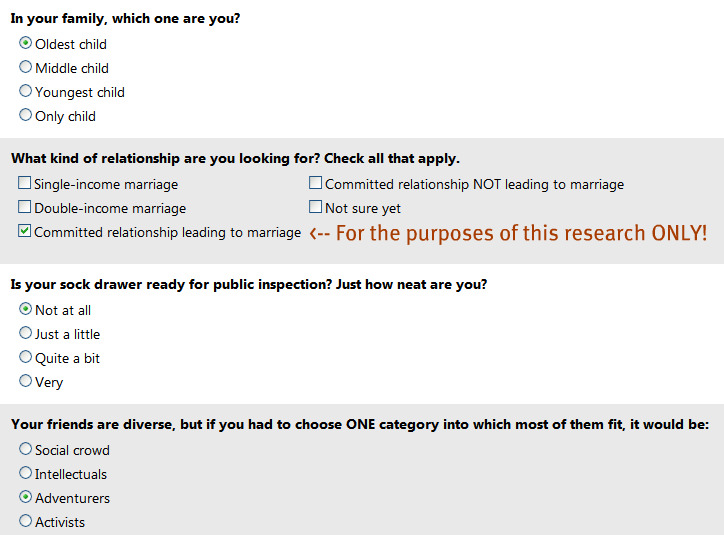
 Ask yourself how many people you know who failed at a job, either left voluntarily or were terminated, because of their degree, experience or background? In all likelihood, most of them failed because of inadequate interpersonal skills, an inability to communicate, or because they just didn't fit in with the culture. In other words, like any relationship gone awry, it wasn't a good match.
If you received a call from a recruiter about a job you applied to, your rsum was compelling enough to be selected from the masses. You included keywords from the job posting, had good grammar, your experience was sufficient and you look like a potential "match".
If I only had a penny for every time an applicant told me, "It sounds just like me!"
Is it personal perception?
The truth is, the "duties" of a job are only a piece of it. Environmental, team and organizational fit are the rest. Most companies aren't that good at conveying cultural fit in the job posting. Many didn't drive the culture that has taken hold so understanding and conveying it to someone externally would be difficult.
Companies that take the initiative to profile tenured top performers make an investment in their employer brand by analyzing the culture and workforce for trends and targeting recruiting and hiring practices based on the results. They enjoy low turnover and high employee and customer satisfaction.
Another truth is, managers have varied levels of competency in interviewing. Since most companies don't go through the employee profile and competency identification process, managers are left to do the best they can by hiring from the gut. One question candidates can ask at an interview is if the company has identified the personality traits of the most successful employees. Even if the company hasn't implemented psychometric testing, at the very least the manager will tell you the traits they feel are important and you can discuss them and assess whether you feel they are a match.
Understanding your own competencies, to include your emotional intelligence, having questions prepared for the interview that deal with this topic and being honest with yourself about employer expectations and organizational fit, will help you assess whether a job and company are a match for you.
Leave a Reply